
EMDR Therapy for Trauma and PTSD
Experiencing trauma can leave you feeling overwhelmed, disconnected, or unsure where to turn next. You may be carrying memories or emotions that feel too heavy to face alone or noticing the impact of past events in your relationships, work, or daily life. Reaching out for help is a powerful step toward healing, and it reflects a deep desire to reclaim a sense of safety, strength, and stability.
At Michael Chesek, MA, LMHC - Healing Pathways Counseling and EMDR in Sarasota, FL, trauma and PTSD therapy is approached with deep respect for the strength it takes to seek help. Trauma can leave its mark in ways that affect emotions, relationships, physical well-being, and the ability to feel grounded in daily life. No matter how long ago an event occurred, or how recent it may be, healing is possible, and support is available.
Michael Chesek, MA, LMHC, specializes in the treatment of trauma and post-traumatic stress disorder (PTSD). With refined training, years of experience in EMDR therapy, and a compassionate, solution-focused style, he provides a safe environment where adults and adolescents can explore their experiences without fear of judgment. As an LGBTQ+-friendly therapist, he welcomes individuals from all identities and backgrounds, offering care that is affirming, inclusive, and grounded in trust.


Understanding Trauma and PTSD
Trauma is not defined solely by the nature of an event but by how the mind and body respond to it. Experiences such as abuse, accidents, neglect, violence, loss, medical crises, or long-term stress can leave lasting emotional imprints. PTSD develops when the nervous system remains stuck in a heightened state of alertness, causing distressing symptoms long after the threat has passed. You may be seeking therapy because you feel:
- On edge or easily startled
- Overwhelmed by intrusive memories or flashbacks
- Disconnected from yourself or others
- Emotionally numb
- Unable to relax or sleep well
- Burdened by shame, guilt, or self-blame
- Triggered by reminders of past events
- Unsure how to move forward
These responses are not weaknesses; they are survival mechanisms that became overactive when your mind and body tried to protect you. Therapy can help calm these patterns and guide you toward a renewed sense of control and stability.
A Client-Centered and Solution-Focused Approach
Healing from trauma requires a therapeutic relationship built on mutual trust. Michael’s approach at Healing Pathways Counseling and EMDR is client-centered, meaning your needs, story, and pace shape the work you do together. Treatment is also solution-focused, helping you identify strengths and practical strategies to manage symptoms while gaining insight into the roots of emotional pain.
Whether you are new to therapy or returning after previous experiences, the goal is to ensure you feel safe, comfortable, and understood. Trauma therapy is not about reliving painful events; it is about creating space to process experiences in a way that empowers you rather than overwhelms you. Your unique values, identity, cultural background, and personal goals remain at the heart of each session.
During the therapeutic process, clients often find that they begin to feel:
- Heard and validated
- Supported without pressure
- Equipped with new tools to manage symptoms
- More capable of navigating daily stress
- Less burdened by past experiences
- More hopeful and grounded
Michael’s mission is to help you move toward a life where trauma no longer dictates your emotions or limits your potential.

EMDR Therapy for Trauma and PTSD
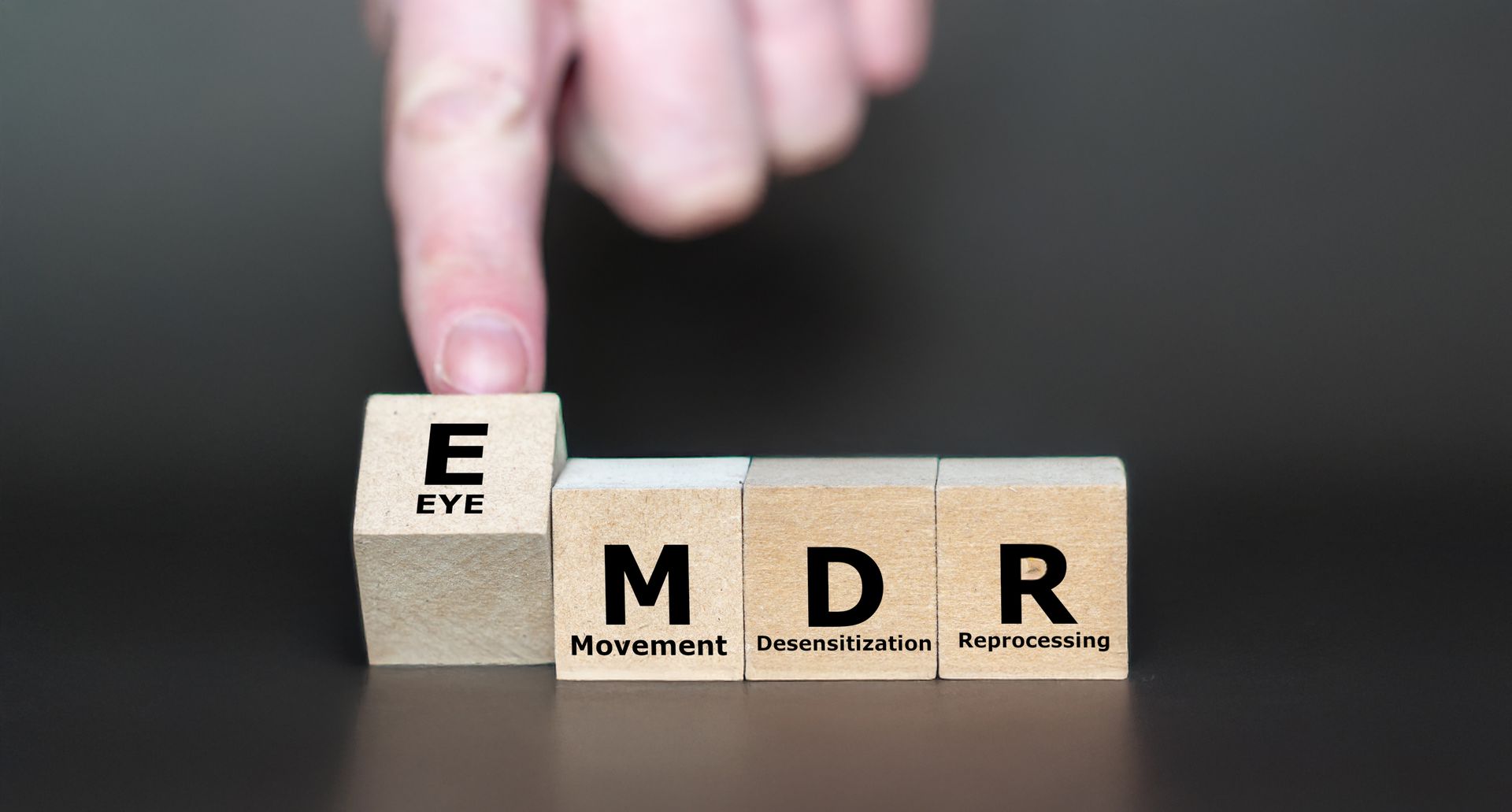
One of the most effective and well-researched treatments for trauma is EMDR (Eye Movement Desensitization and Reprocessing). EMDR is offered by a trained and experienced practitioner, Michael Chesek, MA, LMHC, who integrates the method into a broader therapeutic plan when it aligns with your needs and readiness.
What Is EMDR?
EMDR is a structured therapy approach that helps the brain process traumatic memories in a healthier, less distressing way. During an EMDR session, the therapist guides you through bilateral stimulation, such as eye movements or gentle tapping, while you recall aspects of a memory. This process helps the brain reorganize the emotional and physical responses connected to the trauma, reducing the intensity of triggers and allowing new insights to emerge.
How EMDR Helps With Trauma and PTSD
EMDR can help:
- Decrease emotional overwhelm and hypervigilance
- Reduce the intensity of flashbacks and intrusive thoughts
- Rebuild a sense of safety and stability
- Shift negative beliefs formed during traumatic experiences
- Strengthen emotional resilience
- Support healthier functioning in daily life
By processing traumatic memories more effectively, EMDR allows clients to move forward without feeling trapped by their past.


Additional Therapeutic Tools and Modalities
While EMDR is a powerful tool, trauma recovery is often enriched by integrating several therapeutic approaches. Your treatment may also include:
- Cognitive Behavioral Therapy (CBT) to help reframe harmful thought patterns.
- Dialectical Behavior Therapy (DBT) for emotional regulation and grounding skills.
- Solution-Focused Brief Therapy (SFBT) for identifying strengths and future goals.
- Psychodynamic Theory for deeper exploration of emotional and relational patterns.
This blended approach allows therapy to be flexible and responsive, giving you what you need at the moments you need it most.
Get Started On Your Healing Journey
Healing from trauma is not linear. It involves patience, compassion, and a willingness to explore emotions that may feel difficult to confront. Michael Chesek, MA, LMHC, is dedicated to walking beside you with steadiness, empathy, and clinical expertise. The work you do together will be shaped by your goals, your identity, and your vision for the life you want to build.
If you are ready to explore a path toward resilience, clarity, and peace, support is available.
Schedule a free 15-minute consultation. Telehealth sessions are also available for residents of Florida.